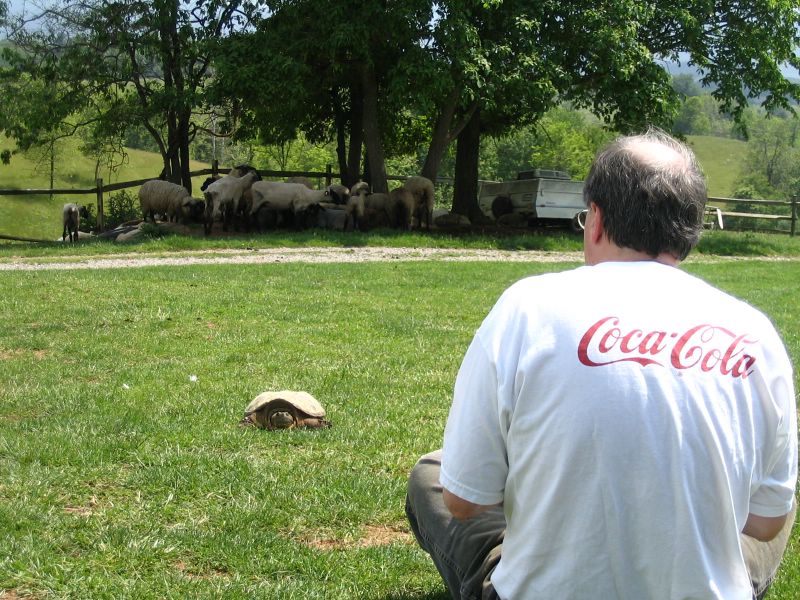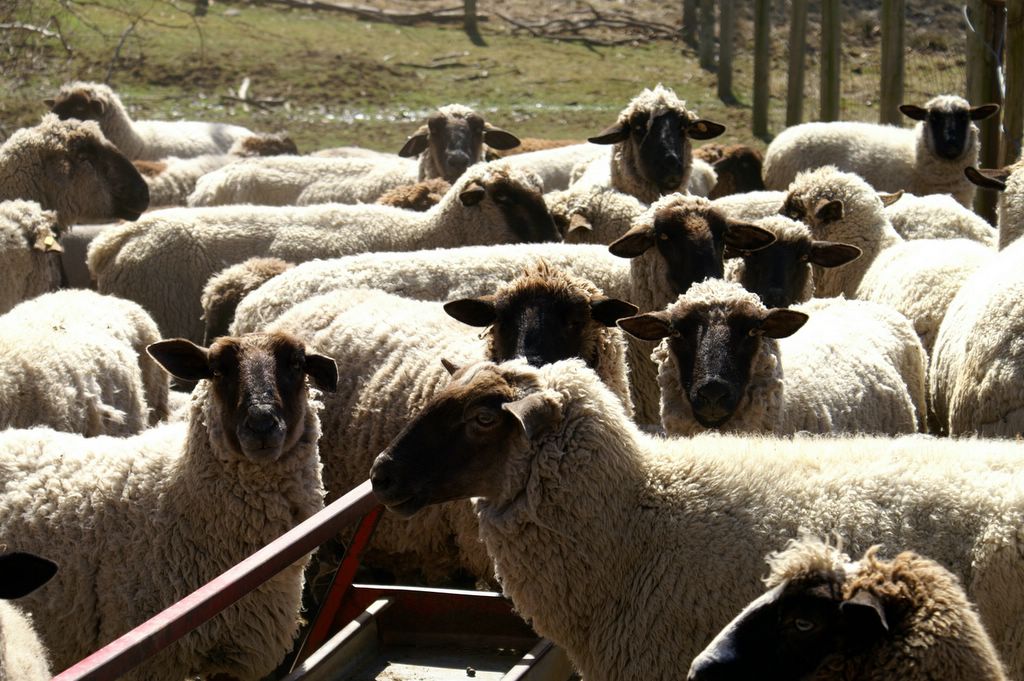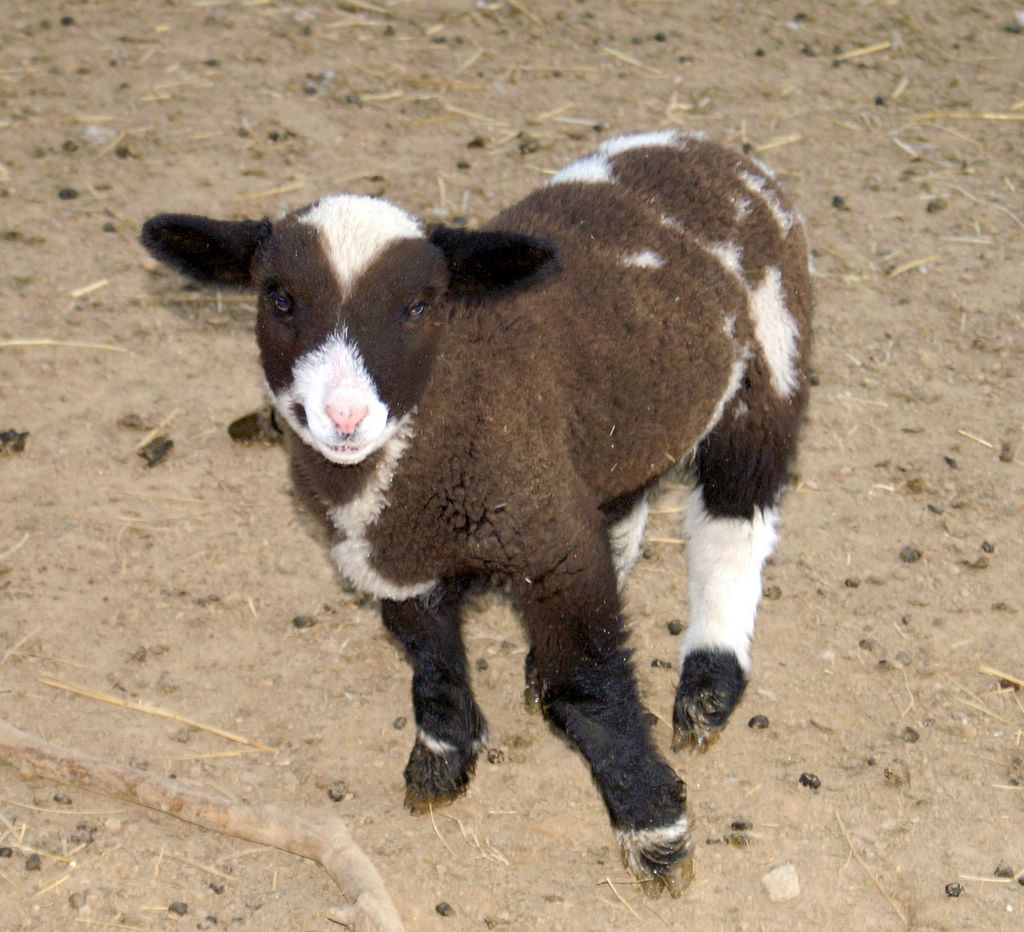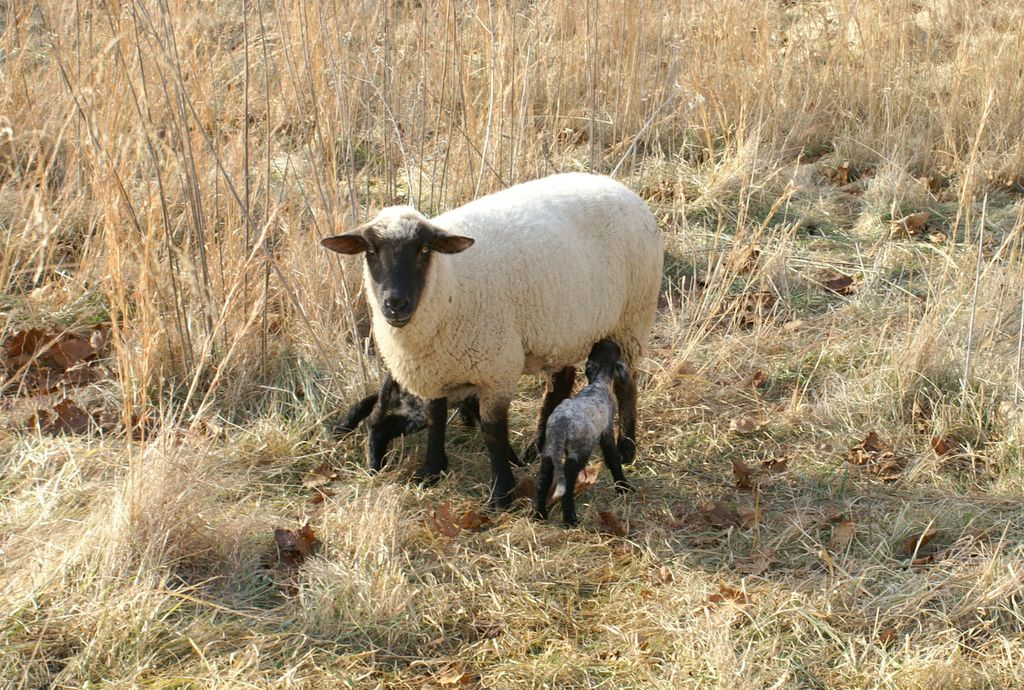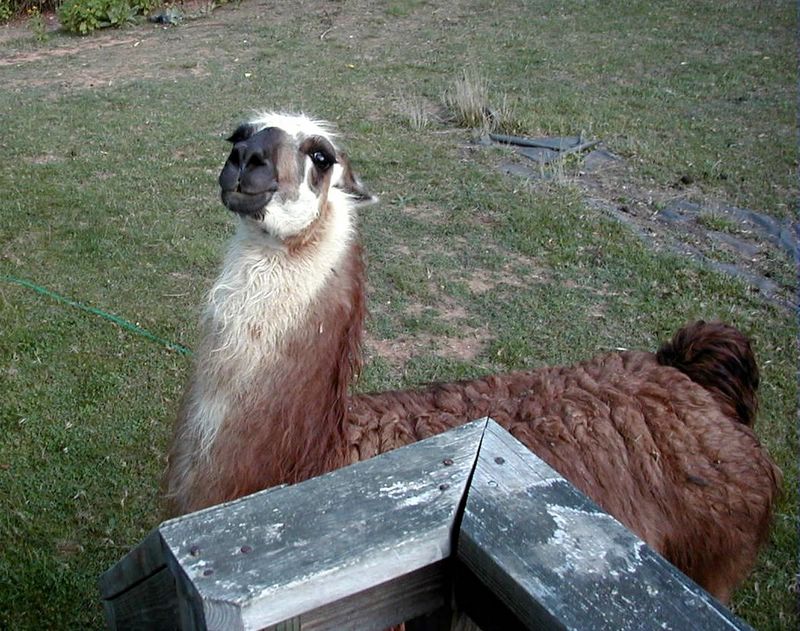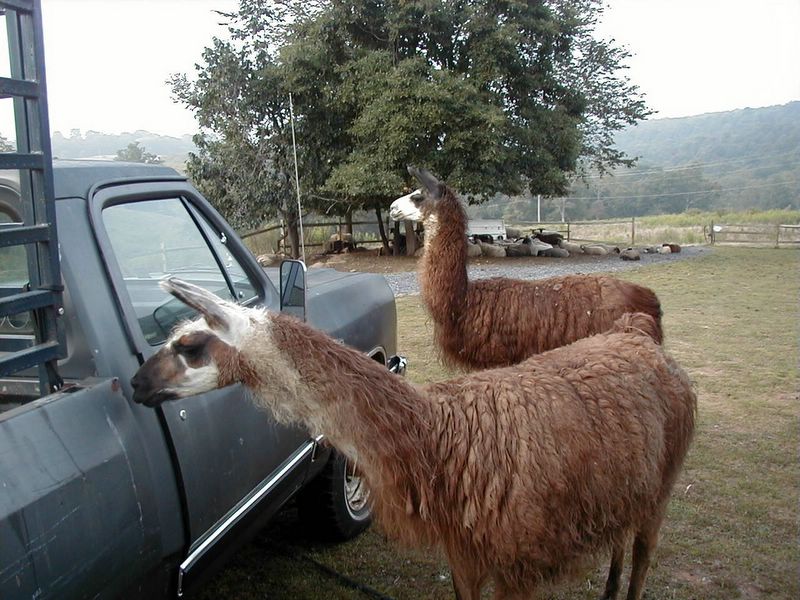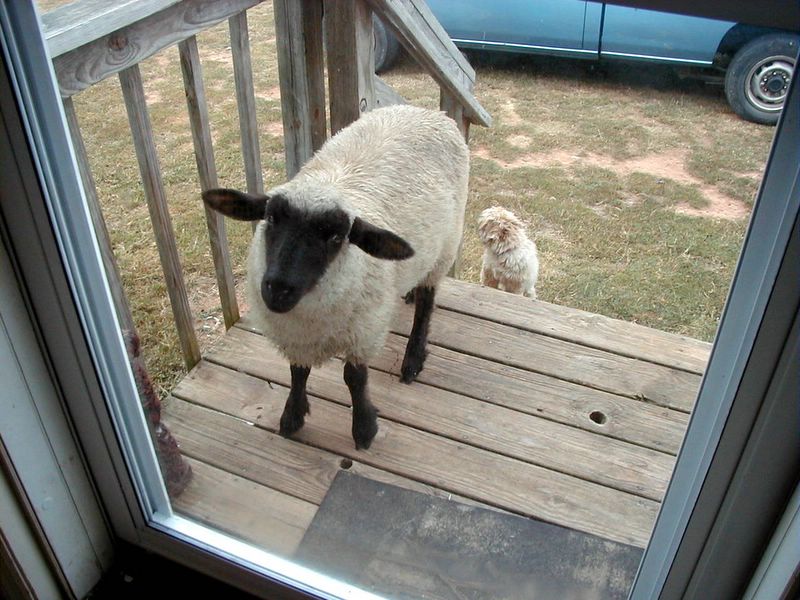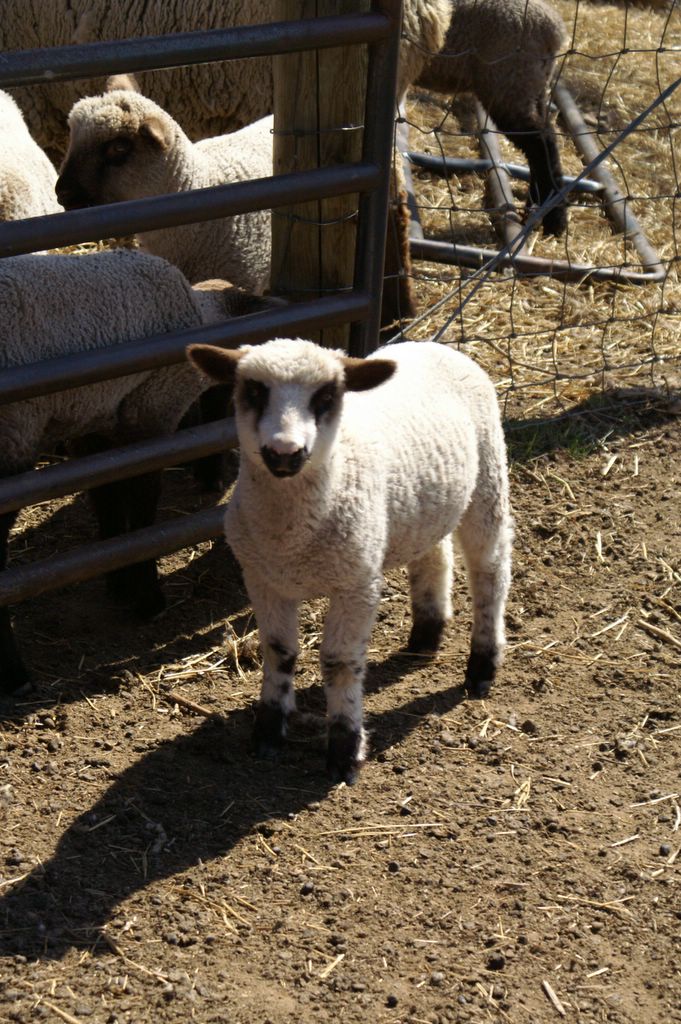
Waiting for breakfast
The source of false religion is the inability to rejoice, or, rather, the refusal of joy, whereas joy is absolutely essential because it is without any doubt the fruit of God's presence. One cannot know that God exists and not rejoice. Only in relation to joy are the fear of God and humility correct, genuine, fruitful. Outside of joy, they become demonic, the deepest distortion of any religious experience. A religion of fear. Religion of pseudo-humility. Religion of guilt: They are all temptations, traps--very strong indeed, not only in the world, but inside the Church . . .
The first, the main source of everything is "my soul rejoices in the Lord ..." The fear of sin does not save from sin. Joy in the Lord saves. A feeling of guilt or moralism does not liberate from the world and its temptations. Joy is the foundation of freedom, where we are called to stand. Where, how, when has this tonality of Christianity become distorted, dull---or rather, where, how, why have Christians become deaf to joy? . . .
People continuously come and ask for advice . . ..And some weakness or false shame keeps me from telling each of them, "I don't have any advice to give you. I have only weak, shaky, but, for me, unremitting joy. Do you want it?"
Any time you begin serious work on your spiritual life, two dangers arise. The first is a perception that you are failing; your fasting rule falls apart, prayer is dry or non-existent, the whole enterprise is best abandoned before you embarrass yourself further. The second is the perception that you are succeeding and are only steps away from taking your place alongside the holy and enlightened. At the very least you have pulled away from the common crowd who do not have your discipline and insight. Despair or arrogance, the feeling of failure or the feeling of success; falling into either is a sign that the message of Lent has been missed. What does God require of us? That we come before him honestly in our weakness. There is no room for arrogance, because our poverty means more to God than our strength. There is no room for despair either, because it is in our poverty and weakness that Christ comes to us. Just as our strength will not bring him, neither will our failure drive him away. Our imperfect reality is gift enough for God, if it is given without pretense.Do not require of me fruits worthy of repentance, for my strength is spent in me. Grant me ever a contrite heart and spiritual poverty, that I may offer these gifts to Thee as an acceptable sacrifice, O only savior.
remember that the dullest and most uninteresting person you can talk to may one day be a creature which, if you saw it now, you would be strongly tempted to worship, or else a horror and a corruption such as you now meet, if at all, only in a nightmare. All day long we are, in some degree, helping each other to one or other of these destinations.There are, as NASA would tell you, no minor navigation errors at the beginning of a journey of that length. Sin, over the long haul, is a failure of navigation. The term used for sin in the Greek New Testament, hamartia, means literally to miss the mark, like an archer missing a target. If the spiritual life is a journey, then repentance is not so much a matter of feeling guilty as it is making a course correction. Lent is the time set aside for us to check our navigation, take some sightings and see just how far off course we have drifted throughout the year. During Lent we check our position with God and the created world through the disciplines of prayer, fasting and almsgiving. The purpose of the disciplines is not to punish or to justify ourselves, but to set right the course for our journey. As Lewis goes on to say in the passage we began quoting above
It is in the light of these overwhelming possibilities, it is with the awe and the circumspection proper to them, that we should conduct all our dealings with one another, all friendships, all loves, all play, all politics. There are no ordinary people. You have never talked to a mere mortal. Nations, cultures, arts, civilizations--these are mortal, and their life is to ours as the life of a gnat. But it is with immortals whom we joke with, work with, marry, snub and exploit--immortal horrors or everlasting splendors.
Atlantis
Being set on the idea
Of getting to Atlantis,
You have discovered of course
Only the Ship of Fools is
Making the voyage this year,
As gales of abnormal force
Are predicted, and that you
Must therefore be ready to
Behave absurdly enough
To pass for one of The Boys,
At least appearing to love
Hard liquor, horseplay and noise.
Should storms, as may well happen,
Drive you to anchor a week
In some old harbour-city
Of Ionia, then speak
With her witty sholars, men
Who have proved there cannot be
Such a place as Atlantis:
Learn their logic, but notice
How its subtlety betrays
Their enormous simple grief;
Thus they shall teach you the ways
To doubt that you may believe.
If, later, you run aground
Among the headlands of Thrace,
Where with torches all night long
A naked barbaric race
Leaps frenziedly to the sound
Of conch and dissonant gong:
On that stony savage shore
Strip off your clothes and dance, for
Unless you are capable
Of forgetting completely
About Atlantis, you will
Never finish your journey.
Again, should you come to gay
Carthage or Corinth, take part
In their endless gaiety;
And if in some bar a tart,
As she strokes your hair, should say
"This is Atlantis, dearie,"
Listen with attentiveness
To her life-story: unless
You become acquainted now
With each refuge that tries to
Counterfeit Atlantis, how
Will you recognise the true?
Assuming you beach at last
Near Atlantis, and begin
That terrible trek inland
Through squalid woods and frozen
Thundras where all are soon lost;
If, forsaken then, you stand,
Dismissal everywhere,
Stone and now, silence and air,
O remember the great dead
And honour the fate you are,
Travelling and tormented,
Dialectic and bizarre.
Stagger onward rejoicing;
And even then if, perhaps
Having actually got
To the last col, you collapse
With all Atlantis shining
Below you yet you cannot
Descend, you should still be proud
Even to have been allowed
Just to peep at Atlantis
In a poetic vision:
Give thanks and lie down in peace,
Having seen your salvation.
All the little household gods
Have started crying, but say
Good-bye now, and put to sea.
Farewell, my dear, farewell: may
Hermes, master of the roads,
And the four dwarf Kabiri,
Protect and serve you always;
And may the Ancient of Days
Provide for all you must do
His invisible guidance,
Lifting up, dear, upon you
The light of His countenance.

 .
. 
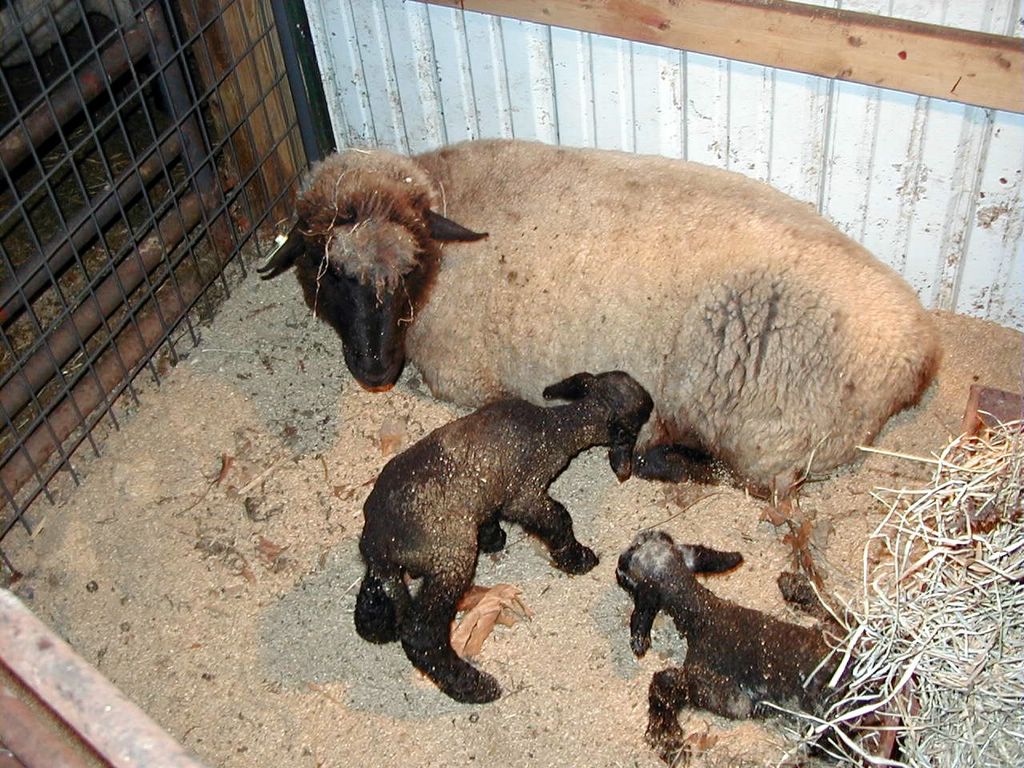
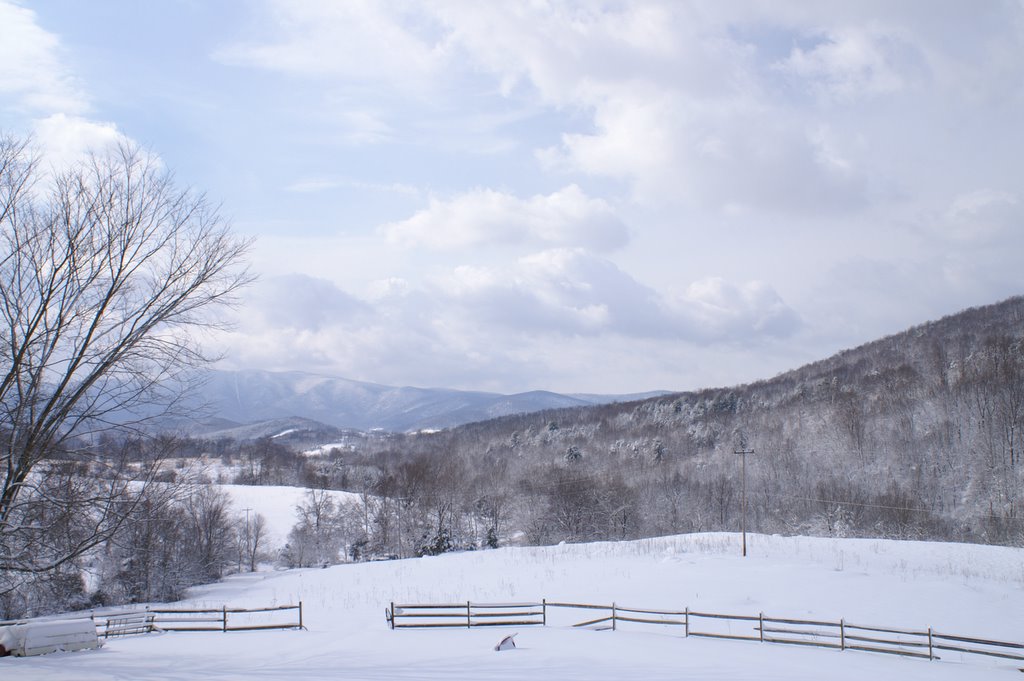
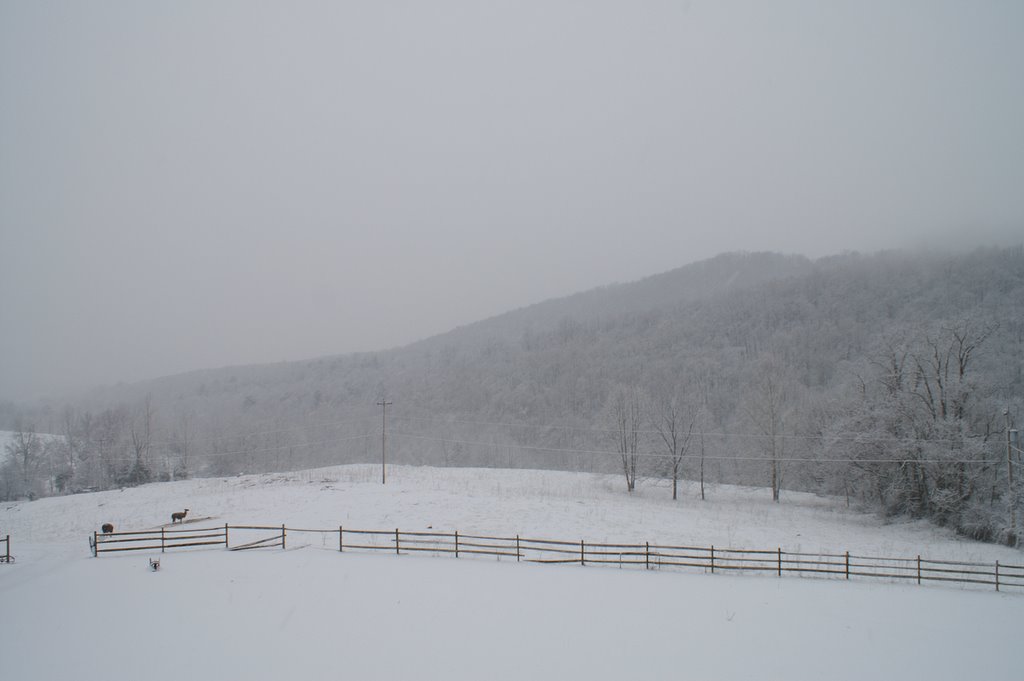
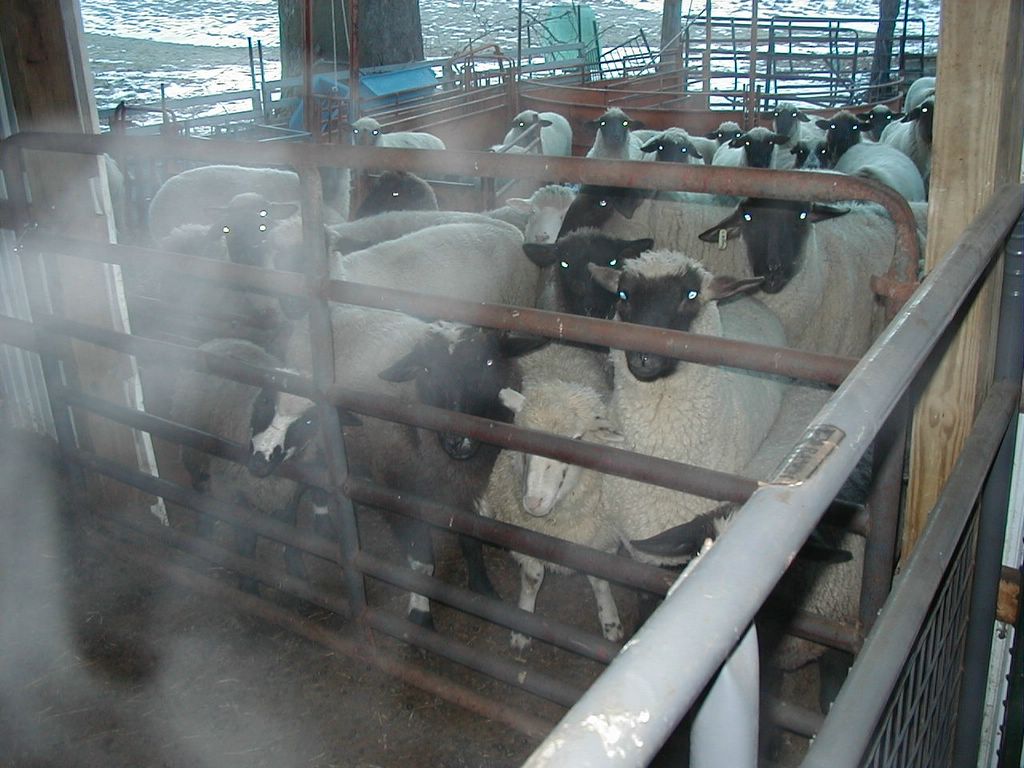
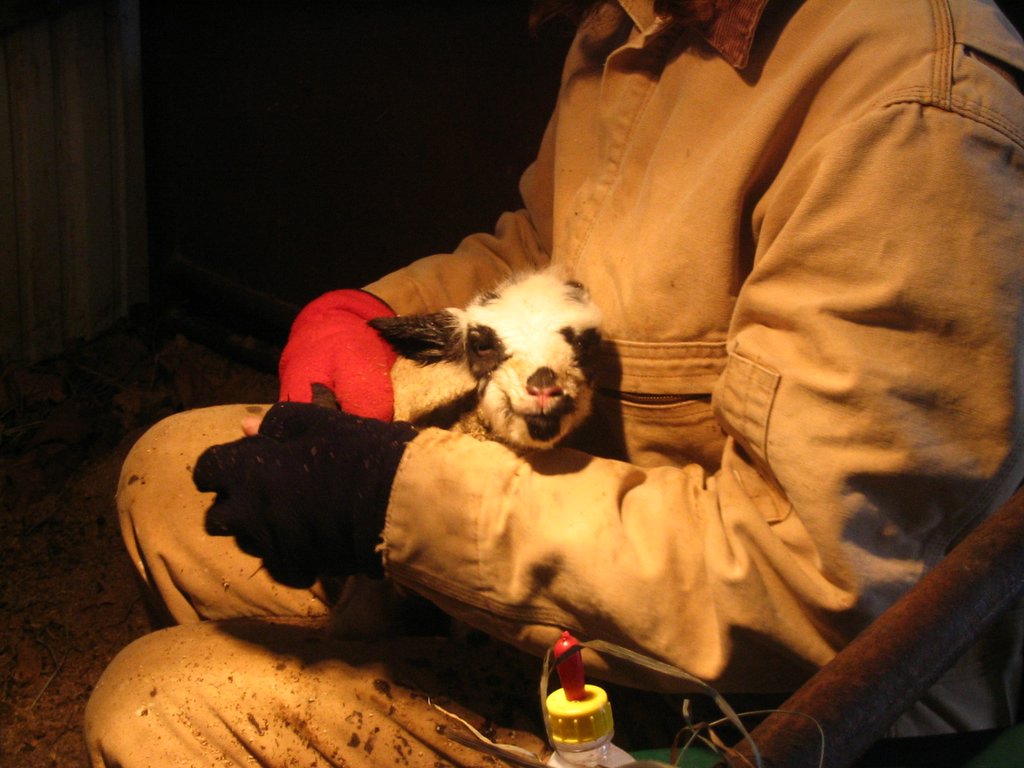
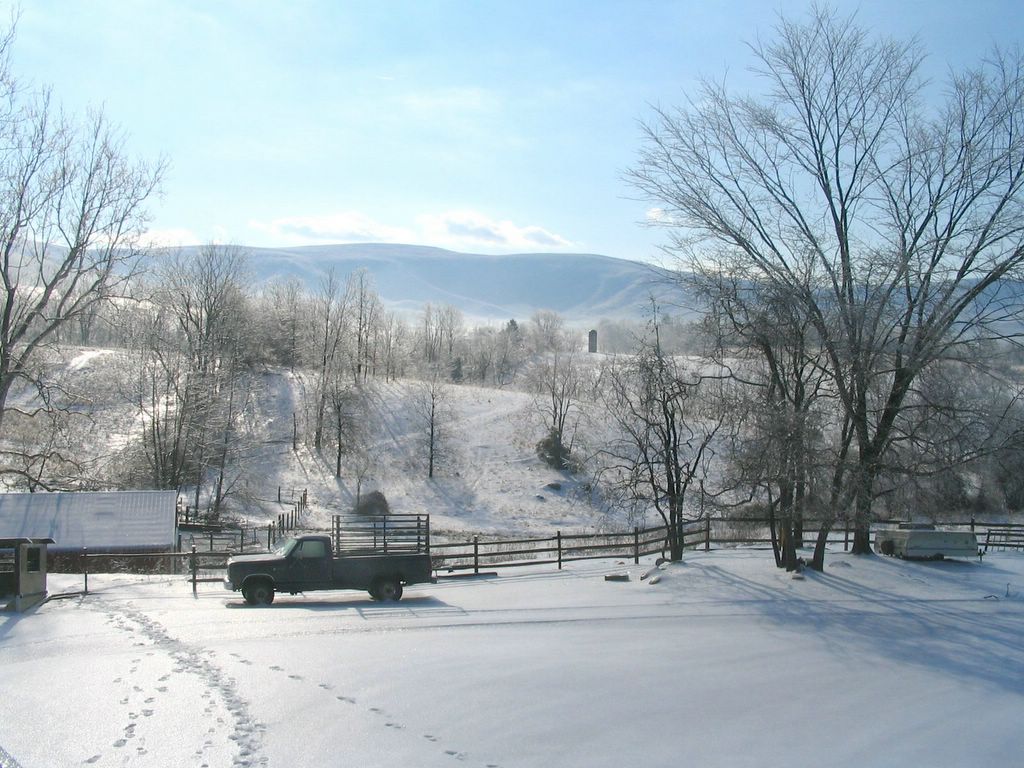
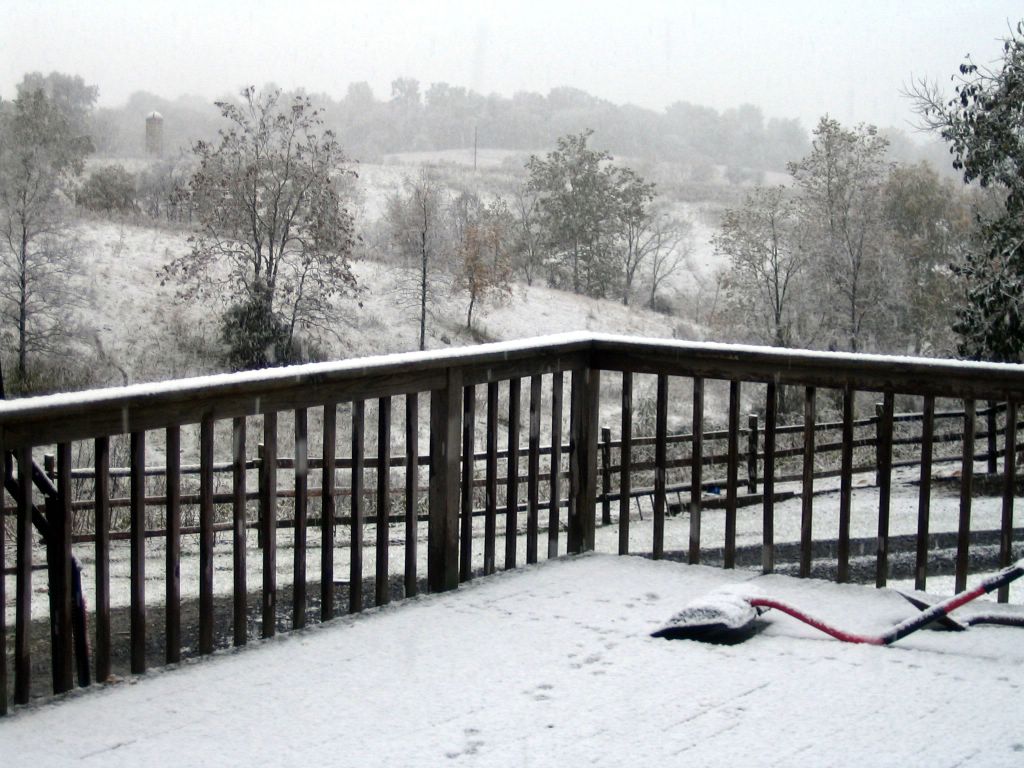
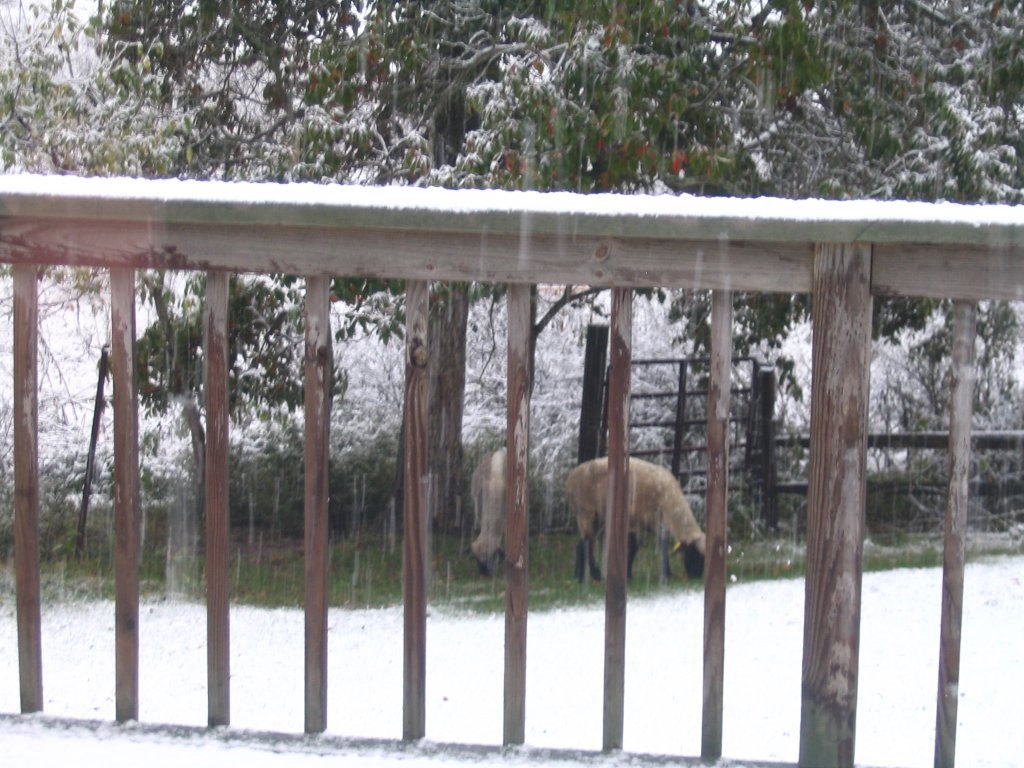 Here is another picture from last week's sudden snowfall that left us bemused and the sheep in search of any bare patch of grass. One ewe, bottle-raised and still convinced that we are her flock, stood by the door befuddled by the change and loudly complaining. The snow left as quickly as it came, followed by a succession of Indian Summer days, the slanting light on the newly green grass somehow reminiscent of Spring in spite of the fall colors around us. We know though that Winter is on its way and soon enough Spring will be both a hope and a distant memory.
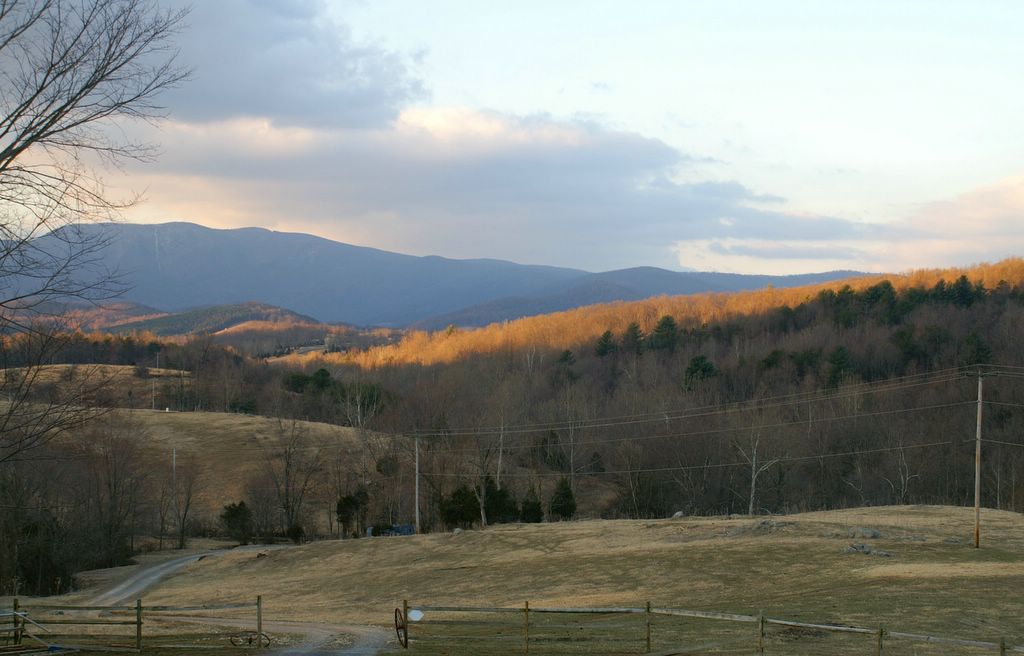
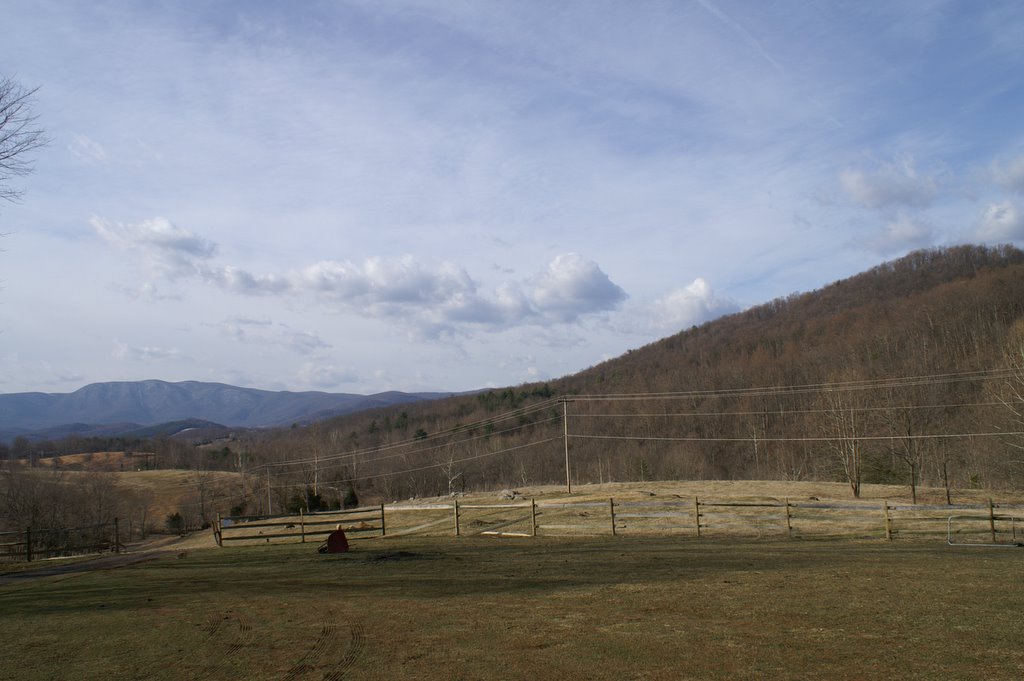
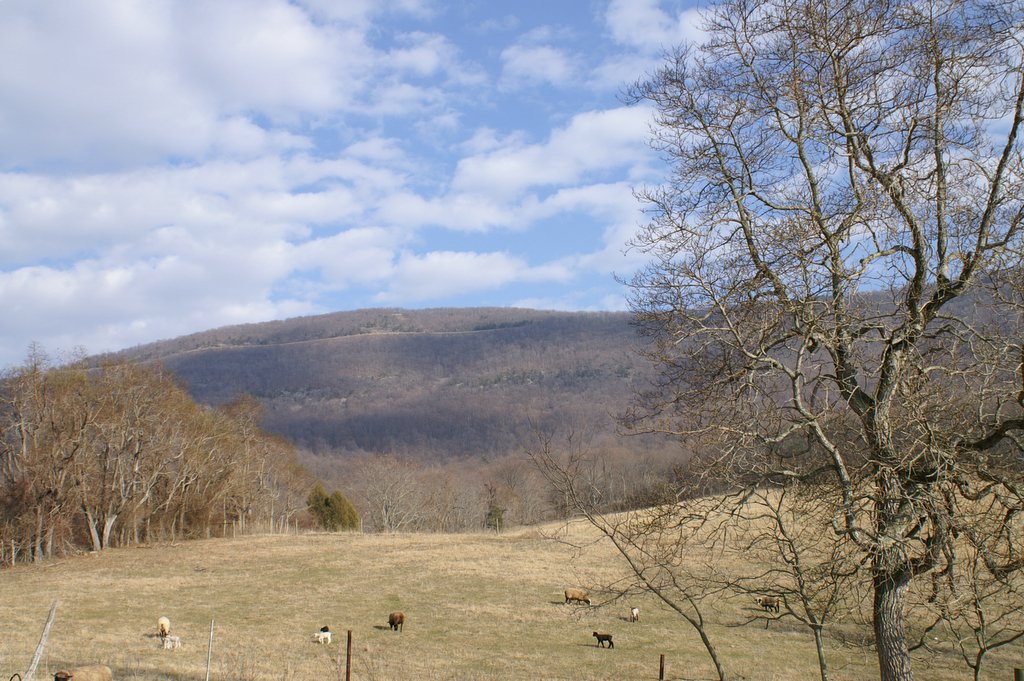
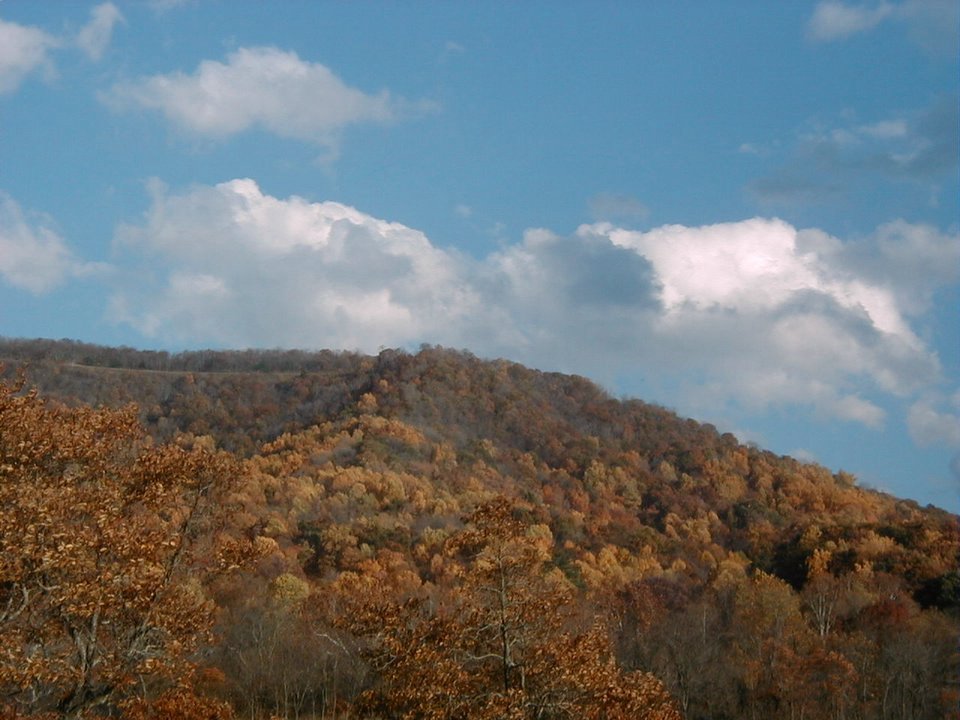
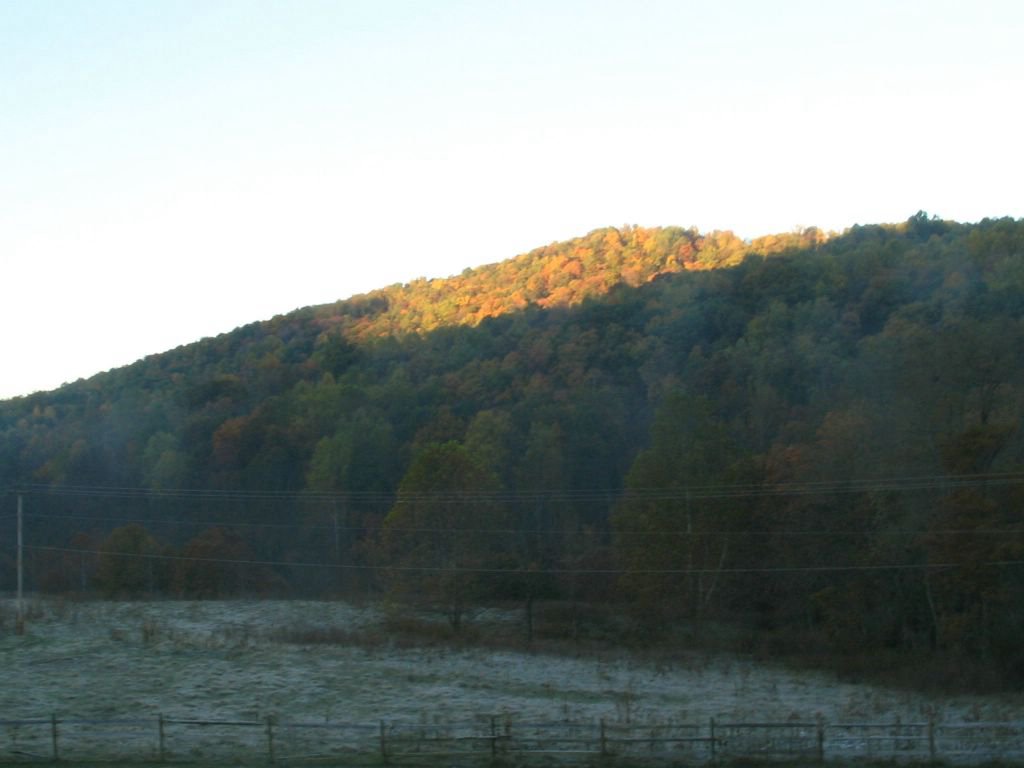
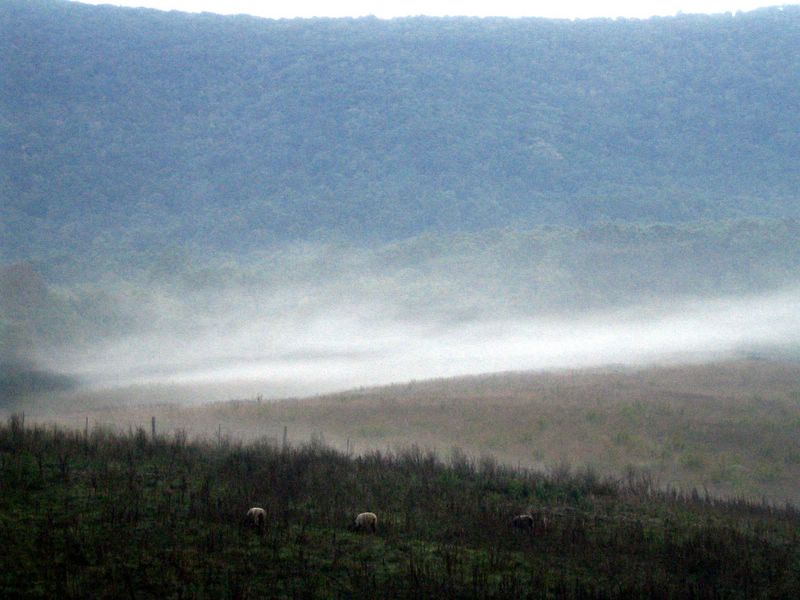
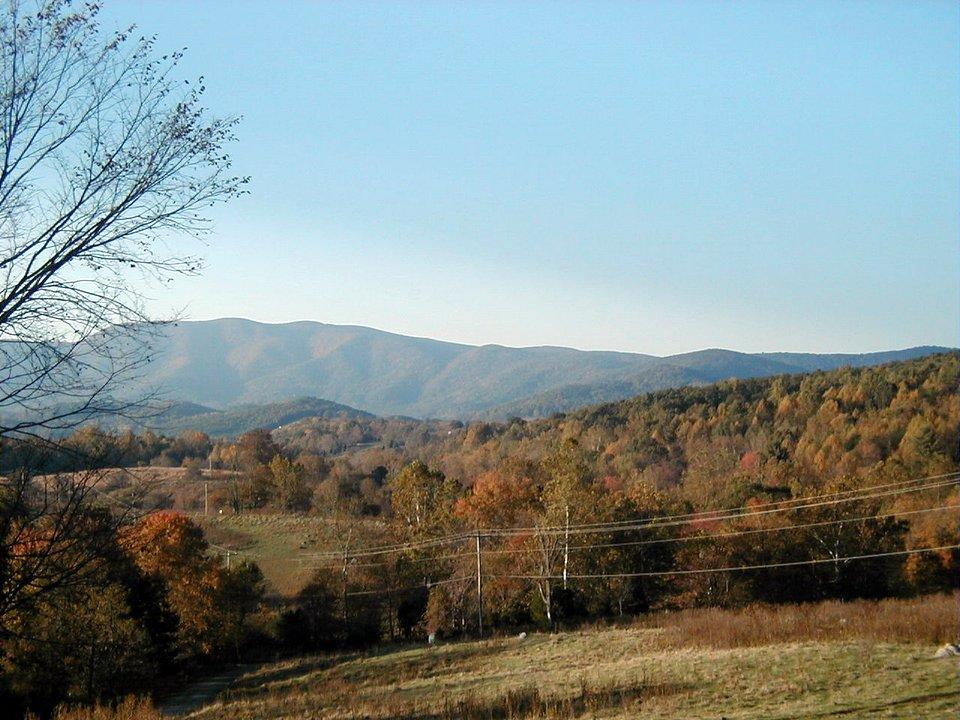 When I wrote last it was the end of Summer. We are now well into Autumn; leaves beginning to turn and a noticible chill in the morning air. With the change in season, perhaps I can have a change in habit and return to daily updates. In the meantime, here is the view from our hillside farm on an October Sunday morning.

 Here is your blogger doing his anglo best to master the art of Greek fast food. Who says an old dog can't learn a new trick?